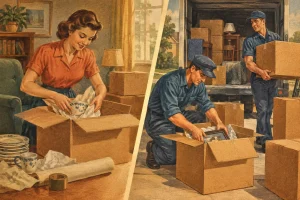


A valuable item is rarely valuable only because of its price. It may be a family heirloom, a painting collected over years, a hard drive containing business records, or the glassware you use every Christmas. When movers pack valuables, the job is not simply to put items in boxes. It is to assess risk, choose the right protection, keep pieces identifiable, and make sure they can be loaded, transported and unloaded without unnecessary handling.
For Sydney and regional NSW moves, good preparation also matters because conditions change quickly. A short move across town can involve apartment lifts, narrow stairwells and busy streets. A regional relocation may involve longer travel times, uneven driveways and more movement in transit. The packing method should suit the item and the journey, not follow a one-size-fits-all routine.
How movers pack valuables before moving day
Professional packing starts with an inspection. A trained crew looks at an item’s size, weight, material, condition and weak points. A solid timber dining table needs a different approach from a framed artwork, marble lamp, antique cabinet or desktop computer.
This assessment also identifies practical access issues. Can the item travel safely through a doorway? Does it need to be dismantled? Is there a lift booking, loading dock or flight of stairs to consider? Planning these details early reduces rushed decisions on moving day, which is when damage is most likely to occur.
For high-value items, it is sensible to photograph their condition before packing. This creates a clear record and helps identify existing marks, delicate finishes or loose components. It is also wise to let your removalist know about unusual items when requesting a quote, rather than leaving them until the crew arrives.
The right material for the right item
Protective materials work best when they are matched to the item. Clean wrapping paper and tissue are useful for glass and china, while bubble wrap provides cushioning for many fragile pieces. Furniture blankets protect timber, upholstery and painted surfaces from scuffs during carrying and transport. Strong cartons, corner protectors and purpose-built crates may be appropriate for artwork, mirrors and particularly delicate antiques.
The aim is not to use the most material possible. Too much loose wrapping can allow an item to shift, while a carton that is too large may be difficult to carry safely. Proper packing fills empty spaces so contents cannot move, while keeping the overall carton at a manageable weight.
For fine art and antiques, materials must be clean and suitable for sensitive surfaces. Tape should never be placed directly on polished timber, artwork, veneer or delicate finishes. Protective layers should prevent rubbing, moisture exposure and pressure from other goods in the truck.
Packing fragile household items safely
Glassware, crockery and ornaments are common sources of moving-day breakages, usually because they are packed loosely or placed in an overloaded box. Each piece should be wrapped individually, with extra protection around handles, stems, lids and corners. Plates are generally safer packed on their edge rather than laid flat, as this spreads pressure more effectively.
Heavy items belong in the bottom of a carton, with lighter pieces above. The box should be firmly filled but not forced shut. A carton that bulges, rattles or feels too heavy needs repacking before it reaches the truck.
Labels matter too. Marking cartons as fragile helps the crew identify where they should be placed, but it does not replace sound packing. A clearly labelled box still needs internal protection and a stable position in the load.
Electronics need similar care, particularly televisions, monitors, computers and audio equipment. Original cartons are ideal when available, but they are not essential. A quality carton, protective wrapping and secure internal padding can provide effective protection. Remove batteries where appropriate, secure loose cables, and keep small accessories together in labelled bags. For business moves, equipment should be labelled by workstation or department so it can be set up efficiently at the new premises.
When specialist packing is worth it
Some belongings should not be treated as standard household goods. Fine art, antiques, sculptures, instruments, designer furniture and large mirrors often need specialist packing because their value and vulnerability are higher. Their shape may also make them difficult to carry and secure safely.
A large framed painting, for example, can be damaged by pressure on the canvas even when the glass and frame appear protected. An antique chest may have weakened joints or a delicate veneer that cannot withstand ordinary tape or tight strapping. These are the situations where experienced handling, furniture blankets, corner protection and careful loading make a meaningful difference.
It depends on the item, its condition and the distance being travelled. A modern, sturdy side table may only need a blanket wrap, while a nineteenth-century piece with loose detailing may require a more tailored solution. Be upfront about an item’s age, value and any known damage so the packing plan can be adjusted accordingly.
China Bear Removals can provide professional packing support for household goods, offices, antiques and fine art, with trained crews focused on safe, secure handling from collection through to delivery.
What to keep with you, not in the truck
Even the most carefully packed load should not contain everything you need immediately. Certain possessions are best kept with you in your own vehicle or bag, both for convenience and additional peace of mind. This includes passports, jewellery, cash, medications, keys, essential documents, mobile chargers and items needed on the first night.
For businesses, this may include critical records, backup drives, access cards and anything required to keep operations running during the transition. If an item is irreplaceable and small enough to carry personally, that is often the most practical choice.
It is also worth checking your insurance arrangements before the move. Fully insured removal services provide confidence, but cover can vary depending on the service and the item involved. Ask questions early, provide accurate details for high-value goods and keep any relevant valuations or records available.
Loading matters as much as packing
A well-packed carton can still be damaged if it is loaded poorly. Professional removalists build a secure load by placing heavier, sturdier goods where they provide a stable base and keeping fragile items away from pressure points. Furniture is wrapped and secured to reduce movement, while cartons are stacked according to their strength and contents.
The truck should be loaded with the delivery in mind as well. Items needed first at the new address should be accessible, and fragile goods should not be buried beneath bulky furniture. On longer regional moves, secure positioning becomes even more important because the load experiences more time on the road.
A crew’s handling technique is part of the protection. Lifting correctly, using trolleys where suitable, navigating tight spaces carefully and avoiding hurried stacking all reduce the chance of damage. This is one reason a professional packing and moving service can remove a significant amount of stress from a complex relocation.
A practical way to prepare for the packing crew
Before packers arrive, set aside anything you are taking yourself and identify items that are not moving. Let the crew know which rooms or cartons need priority at the destination. If you have antiques, art, unusually heavy furniture or goods going into storage, point them out during the walkthrough.
Clear access makes a real difference. Move cars from the driveway if possible, keep paths free of loose items and arrange building access ahead of time. For apartment or office moves, confirm lift times and loading requirements with building management. These simple preparations give the crew more time to focus on careful packing rather than solving avoidable access problems.
Reusable moving boxes can also make packing more efficient. They are sturdy, stack neatly and reduce the cardboard waste that often follows a move. For customers booking a move, reusable boxes can offer a practical, lower-waste option while helping keep cartons consistent and secure in transit.
Your valuables deserve more than a fragile sticker and a hopeful drive to the new address. With honest planning, suitable materials and careful handling at every stage, moving day can feel controlled, protected and far more straightforward.
Related posts