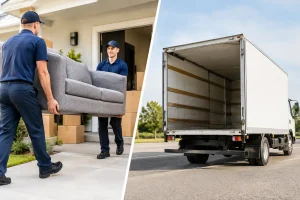
Artwork Transport Security Guide for Sydney Moves

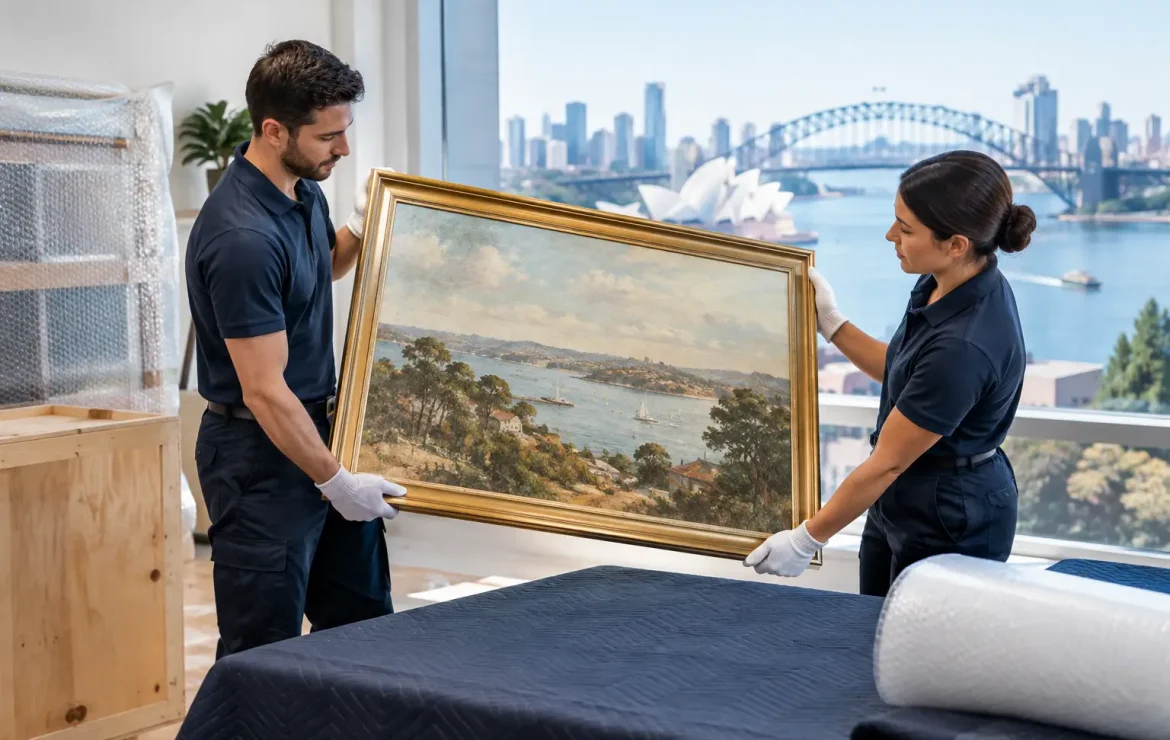
A painting can be safely wrapped and still be at risk. The vulnerable moments are often when it is carried through a narrow hallway, left unattended during loading, stacked beside an unsuitable item, or delivered to a site that is not ready to receive it. This artwork transport security guide focuses on the full chain of custody, helping Sydney collectors, galleries, designers and households protect valuable pieces from collection through to placement.
Security is not only about preventing theft. For fine art and antiques, it also means preventing avoidable damage, controlling who handles the item, documenting its condition and making sure the right people are present at each handover. The level of planning should reflect the artwork’s value, fragility, size and destination.
Start with an accurate assessment
Before any packing begins, assess each item individually. A small framed work with stable glazing needs a different plan from a large canvas, a marble sculpture or an antique mirror with aged backing. Measure the work, including its frame or plinth, and measure the access points at both properties. Doorways, lifts, stairwells, loading docks and tight corners can determine whether a job requires extra crew members, specialist lifting equipment or an alternative route.
Condition reporting is a practical security measure. Take clear photographs of the front, back, corners, frame, hardware and any existing marks. Record dimensions, materials, title or identifying details where available, and the owner or receiving contact. This creates a reliable reference if a question arises later and helps the crew understand which areas require particular care.
For higher-value collections, agree on a collection inventory before the move. It should identify every piece and confirm who is authorised to release and receive it. Avoid vague labels such as “large painting” when several works may look similar in a wrapped state.
Artwork transport security guide: packing for protection
Packing should protect the artwork while allowing it to be identified and handled correctly. The goal is not simply to add more material. Poorly chosen packing can trap moisture, put pressure on a painted surface or conceal a damaged corner until delivery.
Framed works are generally protected with corner guards, a suitable barrier layer, cushioning and a rigid outer cover. Glass-fronted art may need additional face protection to reduce movement and minimise the chance of broken glass reaching the artwork. Canvases should never be packed with material pressing directly onto the painted surface. Sculptures require a stable support plan that protects vulnerable projections, bases and joins.
Every package should be labelled with handling instructions, orientation and an identifying reference that corresponds with the inventory. Labels such as “fragile”, “this way up” and “do not stack” are useful, but they do not replace correct loading procedures. They are a prompt for trained handlers, not a substitute for planning.
Climate can also affect the packing choice. Sydney’s humidity, sudden rain and hot vehicles can be concerns, especially for older works, timber frames, paper-based art and sensitive finishes. Where a piece is particularly vulnerable, discuss whether it needs climate-conscious packing, direct transport or controlled storage rather than a standard move.
Control access from collection to delivery
Artwork is safest when there is a clear chain of custody. Decide in advance who can approve collection, who can change delivery instructions and who can sign for the work at its destination. If the collection is from a gallery, office or shared building, notify reception, building management and security where necessary so the crew is expected and loading access is available.
Avoid leaving artwork in common areas, on a footpath, in an unlocked garage or in a loading dock while other items are being prepared. Even a brief period of unattended exposure can create unnecessary risk. A planned sequence is better: pack the item, move it directly to the vehicle, secure it in position and confirm it on the loading record.
For multi-stop moves, consider whether the artwork should travel separately from general household goods or office furniture. It depends on the scale of the job and the nature of the piece. A well-protected, lower-value framed print may travel safely within a carefully loaded removal truck, while a fragile or highly valuable work may justify a dedicated run with fewer handling points.
Load the vehicle with stability in mind
A secure vehicle load prevents movement, compression and accidental contact. Artwork should be placed upright where appropriate, secured so it cannot shift during braking or cornering, and separated from heavy furniture, tools and loose items. Nothing should lean against a canvas or frame unless the loading system has been designed to support it safely.
The vehicle itself matters. A clean, enclosed removal truck offers significantly better protection than an open trailer or improvised personal vehicle. It keeps the work away from weather, road grit and public view, while providing proper tie-down points and room for careful placement.
Drivers should also have practical instructions about the route and delivery conditions. Low-clearance entries, steep driveways, restricted loading zones and difficult parking can all create rushed decisions. Allowing enough time for access removes much of that pressure.
Check insurance and declared value early
Insurance can be one of the most misunderstood parts of artwork transport. Do not assume a general home, business or contents policy automatically covers fine art during a move. Cover may depend on the declared value, the type of transport, the cause of damage, whether professional packing was used and whether the work is in storage.
Ask for the policy details in writing and check exclusions before collection day. If a work has been formally valued, retain a copy of the valuation with the transport records. For particularly significant pieces, specialist transit cover may be appropriate. The right option depends on the value of the collection and the level of risk, so it is worth seeking advice from your insurer or broker rather than relying on assumptions.
A professional removalist should also be open about the handling process, insurance arrangements and any limits that apply. China Bear Removals can assess access, packing and transport needs for antiques and fine art as part of a tailored moving plan.
Plan secure storage when delivery is delayed
A delayed handover should not force an artwork into an unsuitable spare room, shed or storage corner. If the destination is not ready, arrange storage that is clean, secure and appropriate for the item. The work should remain wrapped, correctly identified and positioned away from risks such as moisture, dust, unstable stacking and unauthorised access.
Before releasing an item from storage, compare its identifier against the inventory and confirm the delivery contact. At the final destination, inspect the outer packing before it is removed, then check the artwork against the pre-move condition report. If anything appears unusual, photograph it immediately and keep all packing materials until the matter is resolved.
Questions to ask before booking artwork transport
The right transport provider will welcome detailed questions. Ask whether the crew has experience with fine art and antiques, what packing materials will be used, how items are secured in the truck and whether direct delivery is available. You should also clarify access planning, storage options, insurance documentation and the process for condition reporting at collection and delivery.
Price matters, but the cheapest quote can become costly if it excludes the planning, packing or protection a delicate work requires. A clear scope of work gives you a more meaningful comparison and reduces last-minute surprises on moving day.
Artwork deserves a move that is calm, documented and carefully controlled. With the right preparation and professional handling, your collection can arrive ready to be rehung, displayed or safely stored for its next chapter.
Related posts