

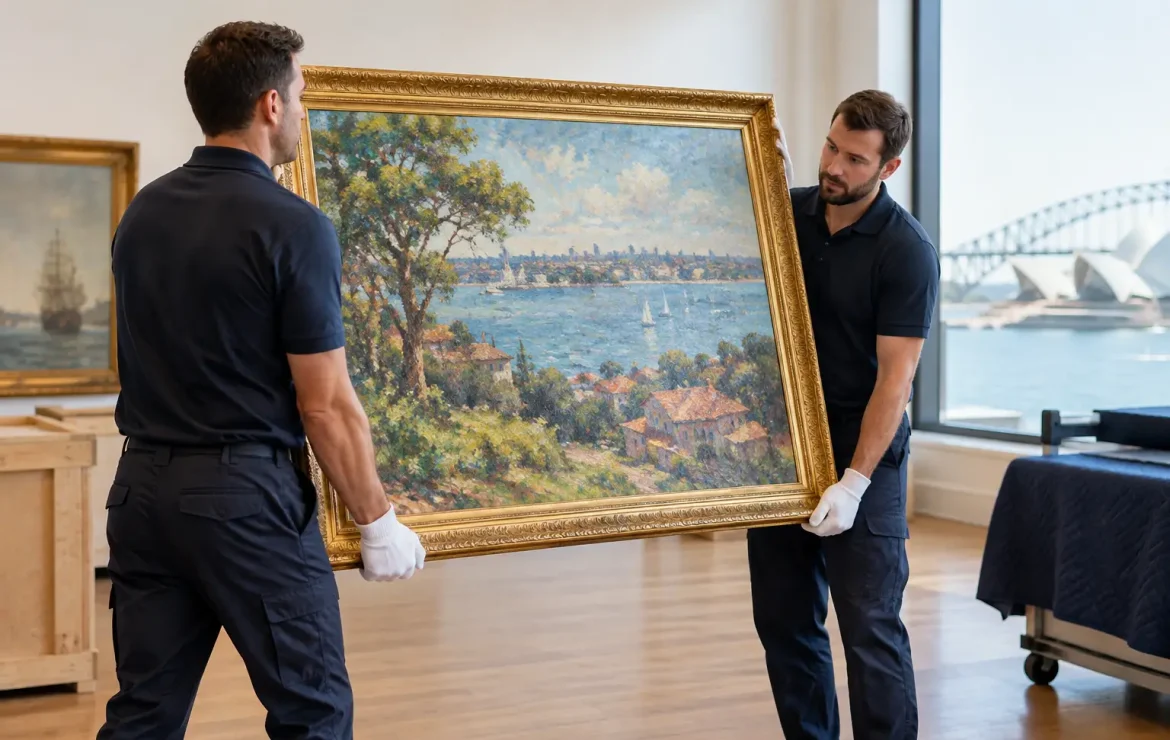
A framed canvas can look manageable until it meets a tight stairwell, a busy loading dock or an unexpected shower on moving day. Fine art transport Sydney is not simply about getting an item from A to B. It is about protecting the work’s condition, provenance and value at every point where it could be exposed to pressure, movement, moisture or an avoidable handling mistake.
For private collectors, galleries, artists, interior designers and businesses, the right transport plan brings welcome control to a high-stakes task. Whether you are relocating a single sculpture, changing a gallery display or moving an entire collection with household contents, careful preparation makes the difference.
Fine art transport in Sydney requires planning
Sydney presents practical challenges that matter when valuable pieces are on the move. Apartment lifts may have restricted access, heritage buildings can have narrow entries, CBD loading zones operate to strict times, and regional deliveries may involve a long drive after collection. A professional removal team plans around those details before the truck arrives.
The first step is understanding the artwork itself. A large oil painting, glazed ceramic work, antique mirror and contemporary metal sculpture may all need different handling methods. Size and weight are only part of the picture. Fragile surfaces, projecting elements, unstable frames, loose components and climate sensitivity should all be identified during the quote and planning stage.
It also helps to consider where the artwork is going. Will it be installed straight away, held in storage, delivered to a gallery, or moved alongside furniture during a house or office relocation? A clear destination plan avoids rushed decisions at the other end, where artwork is most vulnerable to being leaned against a wall, placed in a walkway or unpacked without suitable space.
The protection is in the preparation
Good packing is not about using the most material. It is about using the right protection in the right sequence, without placing pressure on the work. Clean hands, a clear packing area and suitable wrapping materials are basic requirements. From there, the approach should match the item.
A canvas may need corner protection and a breathable protective layer before it is secured for transport. Framed works require special care around glazing and frame joints. Sculptures can need custom bracing to stop movement, while delicate antiques may need parts separated, wrapped and labelled before they are packed into protective cartons or crates.
Avoid taping directly onto artwork, frames or finished surfaces. Even a seemingly harmless adhesive can leave residue, lift a finish or damage delicate gilding. Ordinary blankets are useful in a moving truck, but they are not a complete solution for every piece. Without proper internal protection and stable positioning, an item can still shift or suffer pressure damage in transit.
Before packing, photograph each work and note its existing condition. This is sensible for works of any value, particularly if they are being transported for sale, exhibition, insurance or storage. Keep records of titles, artists, dimensions and any special instructions with the inventory, rather than relying on memory during a busy move.
Handling and loading are where experience counts
The truck journey is only one part of the job. Many risks arise during collection and delivery: negotiating stairs, turning through doorways, manoeuvring around furniture, or loading from a narrow street. Experienced removalists assess the route, protect access points where needed and use appropriate equipment to keep both the artwork and the property safe.
Art should be carried upright or in the position recommended for that particular piece, then secured so it cannot slide, tip or rub against other items. It should not be used to fill a gap between boxes or placed beneath heavier goods. This may sound obvious, but mixed moves are often busy, and disciplined loading practices are what prevent a fragile item from becoming an afterthought.
For a household relocation, it is helpful to identify fine art and antiques before moving day. Point out anything that is especially fragile, sentimental or valuable, including pieces that may not look delicate at first glance. A heavy bronze sculpture, for example, can damage itself or surrounding items if it is not immobilised correctly.
At China Bear Removals, specialist items are handled as part of a planned, fully insured moving service. This is particularly useful when art needs to travel with furniture, office equipment or other belongings, rather than being managed through several separate providers.
When storage is part of the plan
Sometimes transport and delivery do not happen on the same day. Settlement dates change, renovations run late, exhibition schedules shift and office fit-outs can take longer than expected. In these situations, secure storage can prevent valuable works being left in a garage, hallway or temporary room where they are exposed to knocks, dust and fluctuating conditions.
Storage requirements depend on the materials and value of the work. A short hold for a well-protected framed print may be straightforward. Sensitive works, antiques and pieces with conservation requirements can need more specific environmental considerations. Be clear about how long storage may be needed and whether the item will be accessed before final delivery.
The same care should apply when art comes out of storage. Packing that has protected a piece during one move may need checking before a second journey. It is better to allow time for a proper inspection than to assume everything remains secure after handling or a long storage period.
Choosing a fine art transport provider in Sydney
Price matters, but it should not be the only deciding factor when a work is difficult or costly to replace. The lowest quote may not include the planning, protective materials, experienced crew or insurance cover that the job needs. Ask practical questions and listen for clear answers rather than broad promises.
A suitable provider should be able to explain how they will assess the work, pack it, load it and secure it in the vehicle. They should also discuss access at both locations, timing requirements, storage if required, and the level of insurance available. If the move includes a collection of pieces, an itemised inventory and a staged plan are often worthwhile.
It is also worth asking who will be handling the work on the day. Consistent communication matters. You want a team that understands which items need attention, where they are going and who can make decisions if access or timing changes.
Sydney clients increasingly consider the environmental impact of a move as well. Reusable moving boxes can reduce the cardboard waste that often follows a large relocation, while efficient scheduling and low-emission vehicles can lower the impact of transport. These choices should support protection, not compromise it. Strong reusable containers and thoughtful loading can be both practical and responsible.
A few steps that make moving day easier
In the week before collection, make sure the final display or delivery space is accessible. Remove trip hazards, keep pets and children clear of the route, and confirm building access arrangements with concierge staff or property managers. If a work is being delivered to a gallery or commercial site, confirm receiving hours and the name of the person authorised to accept it.
Do not clean, repair or attempt last-minute frame adjustments unless you know the work can safely tolerate it. A rushed repair can create more risk than it solves. If you have special mounting hardware, certificates of authenticity or separate components, place them in a labelled package and tell the transport team where they are.
For works being re-hung after delivery, allow the artwork to settle in its new environment before deciding on final placement, particularly if it has travelled through significant temperature changes. Keep it away from direct sunlight, air-conditioning outlets and damp external walls while you arrange installation.
Your artwork deserves a move that feels measured rather than hurried. With the right packing, trained handling and a clear plan for access, transport and storage, even complex fine art moves can be managed with care and confidence.
Related posts