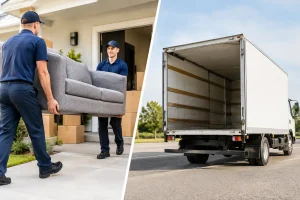


A sofa that will not clear the stairwell, a heavy timber table with a delicate finish, and keys collected within a narrow time window can turn moving day into a difficult job very quickly. Professional furniture removals are about more than loading a truck. They are about planning the access, protecting each item properly and keeping your move moving to schedule.
For Sydney households and businesses, the right approach depends on what is being moved, where it is going and how much support you need. A compact apartment move may need careful lift booking and parking arrangements. A family home can involve large furniture, outdoor items and packing across several rooms. An office relocation requires a different level of coordination again, particularly when staff, workstations and sensitive documents are involved.
Start Furniture Removals With Access Planning
The biggest furniture is not always the hardest item to move. Access is often the deciding factor. Before moving day, consider doorways, hallways, staircases, lift dimensions, tight turns, loading docks and the distance from the property to the truck.
Sydney homes can present plenty of variables. A terrace may have narrow stairs, an apartment building may require lift protection, and a suburban home may have a steep driveway or limited kerbside parking. Regional NSW moves can involve longer travel distances, unsealed access roads or properties where truck access needs to be checked in advance.
Measure large pieces that could cause trouble, including lounges, wardrobes, dining tables, refrigerators and beds. It is also worth measuring the new property, not just the current one. A large modular sofa may leave one lounge room easily but be impractical in the next. Where access is tight, professional removalists can assess whether furniture needs to be dismantled, carried in sections or moved using an alternative route.
This preparation avoids rushed decisions on the day and helps protect walls, floors, stair rails and furniture corners.
Protect Each Piece According to Its Finish and Value
Furniture is not all built to travel the same way. Flat-pack pieces, solid timber antiques, glass cabinets and upholstered lounges each need different handling. A quick layer of protection may be enough for a basic item travelling a short distance, but fragile or high-value furniture deserves more considered preparation.
Timber furniture can be vulnerable to scratches, dents and moisture. Glass should be secured and clearly identified, while drawers and doors need to be fastened so they do not open during transit. Mattresses and upholstered items benefit from covers that keep them clean while they are being carried through common areas or loaded alongside other goods.
Antiques and fine art require particular care. Their value may be financial, sentimental or both, and a standard moving approach is not always appropriate. Delicate frames, marble tops, ornate legs and older joinery can be affected by pressure, vibration or poor lifting techniques. Specialist packing and secure placement inside the truck are sensible safeguards for items that cannot simply be replaced.
It can be tempting to leave every drawer full to save time. Sometimes that is fine for lightweight items, but heavy drawers can make a chest harder to control and place extra strain on its runners or structure. Remove loose, heavy or breakable contents, especially from tallboys, cabinets and desks.
Decide What Should Travel, Be Stored or Be Replaced
A move is one of the few practical opportunities to take stock of what you own. Transporting furniture that does not fit your new space can add unnecessary labour, truck capacity and storage costs. At the same time, replacing good-quality furniture simply because the move is inconvenient is not always the best choice.
Think about condition, size, usefulness and the layout of the destination. If a dining setting is too large for the new home, selling or donating it before the move may make sense. If you are between properties, renovating or waiting for an office fit-out, secure storage can be a more useful option than crowding everything into a temporary space.
Storage is particularly helpful when settlement dates do not line up. Rather than moving furniture twice or asking family members to find room for it, you can keep it protected until the property is ready. The right arrangement depends on the length of storage, the type of goods and how soon you may need access.
Packing Makes Furniture Removal Faster and Safer
Furniture removal starts well before the truck arrives. Clear paths through the home, remove rugs that could slip underfoot and pack loose belongings from shelves, cupboards and desks. This gives removalists room to work safely and prevents small items being misplaced during the rush of moving day.
Reusable moving boxes are a practical alternative to buying single-use cartons. They are sturdy, stack neatly and reduce the pile of cardboard that often ends up on the footpath or in the rubbish after a move. When supplied as part of a booked removal, reusable boxes can also reduce packing costs while supporting a lower-waste move.
Label boxes by room and include a short note where it matters, such as “kitchen – open first” or “study – confidential files”. Avoid vague labels like “miscellaneous”. Clear labelling helps the crew place boxes in the correct rooms and makes unpacking far less frustrating.
For a larger move, prepare an essentials box or bag that stays with you. Include keys, medication, chargers, important paperwork, basic cleaning supplies and anything you will need on the first night. That small step means you will not need to search through ten boxes to find a phone cable or kettle.
What Professional Removalists Bring to the Job
Hiring help is not only about avoiding the heavy lifting, although that matters. Trained removalists bring the equipment, lifting methods and loading experience needed to manage furniture safely. Trolleys, furniture blankets, straps and suitable trucks all play a part in reducing risk.
The loading order matters too. Heavy, stable items need to be positioned to support the load, while fragile pieces require secure placement away from pressure points. A poorly loaded truck can allow items to shift during braking or cornering, even on a relatively short move across Sydney.
For commercial furniture removals, planning can protect business continuity. Desks, chairs, filing units, meeting-room furniture and IT equipment often need to be moved in an order that supports the new workplace set-up. Scheduling a move outside operating hours may reduce disruption, but it depends on building access rules, loading dock availability and the work that needs to happen before staff return.
A fully insured provider also offers reassurance when valuable possessions, business assets or specialist items are involved. Ask what is included in the service, whether packing is available and how unusual items will be managed. Clear answers before booking are a good sign that the move has been properly considered.
Keep Moving Day Controlled
On the day, have parking and building arrangements confirmed, keep pets and children away from active loading areas, and make sure the crew knows about anything requiring extra care. Point out fragile pieces, items going to storage and furniture that must be placed in particular rooms at the destination.
You do not need to direct every lift and carry. In fact, giving professionals space to work is usually safer and quicker. Stay available for questions, complete a final check of cupboards, sheds and garage spaces, then inspect rooms before the truck leaves.
China Bear Removals can coordinate packing, transport, storage and specialist handling so customers do not have to manage separate providers. With experienced crews, reusable boxes and low-emission trucks, the focus is on keeping your move secure, practical and mindful of waste.
A well-managed move leaves you with more than furniture in a new location. It gives you the breathing room to settle in, organise your space and start using it as it should be used.
Related posts