Antique Removalists Sydney for Precious Pieces

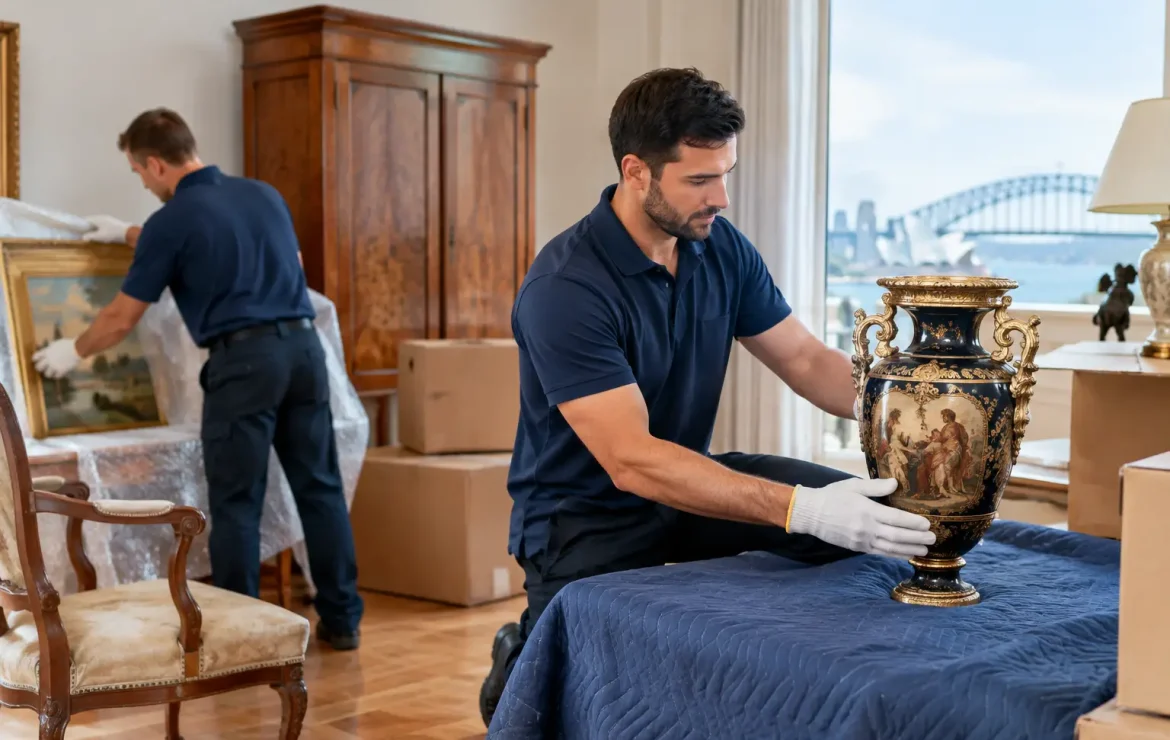
A cedar wardrobe with a century of family history is not just another item to load into a ute. Neither is a fine art canvas, a delicate mirror, a grandfather clock or a cabinet full of porcelain. Antique removalists Sydney residents choose should understand that the value of these pieces can be financial, sentimental and irreplaceable – often all at once.
A successful antique move comes down to preparation, handling and transport conditions. It also relies on clear communication. Before moving day, the removalist needs to know what is being moved, where it is located, how it will leave the property and where it needs to go. That early planning helps prevent rushed decisions at the front door, on a stairwell or beside a tight loading zone.
Why antiques need specialist removal care
Age can make furniture and collectibles more vulnerable, but it is not the only issue. An antique piece may have loose joints, brittle veneer, old repairs, hand-painted surfaces or glass that reacts badly to pressure and vibration. A modern piece of furniture is often designed to be packed flat, lifted by certain points and moved repeatedly. Antiques rarely offer that margin for error.
The challenge can be hidden as well. A marble-topped table may look sturdy while its base is fragile. A tallboy can appear manageable until drawers shift during lifting. An oil painting may have a stable frame but a sensitive painted surface that must never be pressed against packing material. Professional handling means assessing the full item, rather than making assumptions based on its size or appearance.
For larger collections, careful removal is also about keeping the move organised. Matching components, keys, shelves, hardware and documentation need to stay together. This is particularly useful for collectors, estates, galleries and households moving several valuable pieces at once.
What antique removalists Sydney should plan before moving day
A detailed assessment is one of the strongest protections available. It allows the team to identify access issues, estimate the number of movers required and prepare suitable materials before the ute arrives. It also gives the customer an opportunity to point out existing marks, weak areas or specific handling instructions.
Access, lifting and route planning
Sydney properties can present very different access conditions. A heritage terrace may have narrow stairs and limited kerbside space. An apartment may require lift bookings, loading dock approval and carefully timed access. A regional NSW property may have a long driveway, uneven ground or several buildings to clear.
The safest route is not always the shortest one. It may be better to remove a door temporarily, use protective floor coverings or carry an item through a wider alternate exit rather than force it through a tight passage. In some cases, external lifting equipment or a specialised plan may be needed. The right approach depends on the item, the property and the available access.
Packing that protects surfaces and structure
Antique packing should be tailored to the item. Furniture may need breathable protective layers, padded wrapping and corner protection. Mirrors, framed artworks and glass-fronted cabinets require stable, purpose-built packing that limits movement and protects vulnerable edges. Drawers, doors and detachable components should be secured appropriately, without using materials that could damage aged finishes.
Good packing does more than prevent scratches. It reduces vibration, stops parts from rubbing together and helps distribute pressure safely during loading. Packing is especially worthwhile when antiques will be stored, transported interstate or moved alongside other household or office goods.
Customers should avoid wrapping valuable items too early with tape directly against timber, polish, paint or veneer. Adhesives and plastic can create avoidable problems, particularly where finishes are old or sensitive to moisture. A professional team can advise on the right level of preparation after viewing the item.
Secure loading and transport
Once packed, antiques need disciplined loading. Heavy pieces should be positioned to remain stable without placing weight on delicate furniture or artworks. Items must be restrained to minimise shifting while the ute is in motion. This is where experienced crews make a practical difference: they understand how different shapes, weights and materials behave during transport.
A properly equipped vehicle and careful driving both matter. Sydney traffic, stop-start conditions and uneven roads can create movement inside a ute. Secure placement, padding and restraints help protect goods through each stage of the journey, from collection to delivery.
When storage is part of the plan
Not every move runs from one home or premises straight into another. Settlement dates change, renovations run over time and downsizing can require decisions that should not be rushed. Secure storage gives customers breathing room while keeping antiques protected from the disruption of a temporary move.
Before placing antiques into storage, consider how long they will be held and whether they need to be accessed during that period. A single occasional item can be packed differently from a collection that may need retrieval in stages. Clear labelling and an inventory make a future delivery far easier to manage.
For valuable antiques, storage should be viewed as part of the removal plan rather than an afterthought. The same attention to packing, handling and security should continue after the ute doors close.
Preparing your antiques without taking unnecessary risks
There are a few useful things owners can do before the removal team arrives. Photograph each piece, including any existing marks or repairs, and keep valuations or provenance documents somewhere separate from the item itself. Remove loose contents from cabinets, desks and display cases where possible. Small accessories, keys and fittings can be placed in clearly labelled bags so they are not separated from the matching piece.
Avoid attempting a difficult lift simply to save time. Antique furniture can be awkwardly balanced, considerably heavier than it looks and prone to damage when lifted from handles, drawer fronts or decorative features. It is better to let the removal team assess the safest lifting points and route.
If an item has special requirements, mention them during the quote process. That may include a piano, a clock with internal mechanisms, a large sculpture, a particularly fragile frame or a piece that cannot be tilted. The more accurate the information provided upfront, the better the crew can prepare.
Choosing the right removal partner
The lowest quote is not always the best value when moving antiques. Ask whether the company is fully insured, how it manages delicate and high-value items, what packing options are available and whether it can provide secure storage if plans change. A clear answer to these questions is more reassuring than a vague promise to “take care of it”.
It is also worth considering the wider move. If antiques are part of a household relocation, office move or regional NSW transport job, coordinating everything through one professional provider can reduce handling points and simplify the day. China Bear Removals can manage packing, removals, transport and storage as part of a tailored plan, helping customers avoid the stress of coordinating separate services.
Sustainability can fit naturally into a careful move too. Reusable moving boxes reduce the need for single-use cardboard, while thoughtful packing reduces waste without compromising protection. The best solution balances environmental responsibility with the level of care each individual item requires.
Your antiques have already travelled through decades of family life, changing homes and changing tastes. With careful planning and the right people handling them, the next move can be another safe chapter in their story.
Related posts